
Content

What are Persimmons?

Persimmons are sweet orange colour fruits. The persimmon tree belongs to the genus Diospyros.

The vibrantly orange color of persimmons indicates that this fruit is rich in beta-carotenes (precursor of vitamin A). In addition to beta-carotenes, persimmons are rich in vitamin C, fibre and antioxidants.

Persimmons originate from East Asia, specifically China, where they have been cultivated for thousands of years. From China they reached other countries, first of all Japan and Korea.

The persimmon species grown in JapanDiospyros kaki – is the most cultivated and best known persimmon species.

On the other side of the planet, there is the Diospyros virginiana species, known as the American persimmon.

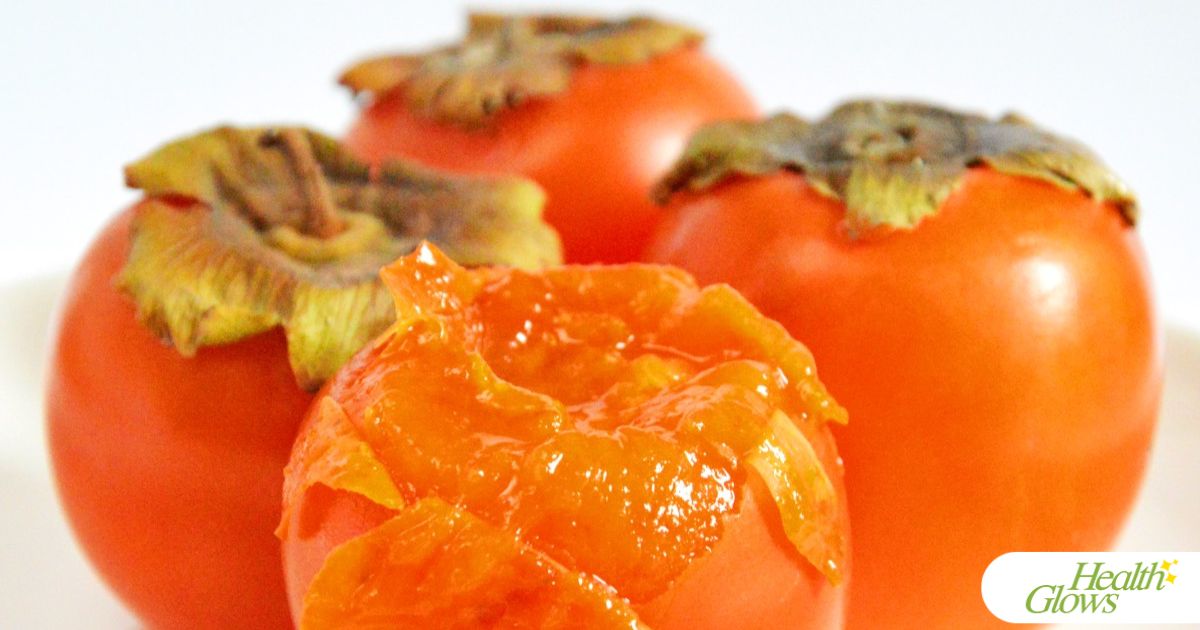
Four ripe Hachiya persimmons. The front persimmon is open, showing how ripe it is.

In the picture: ripe Hachiya persimmons

Which Persimmon Varieties Exist?

Diospyros is a genus that has more than 400 plant species – deciduous and evergreen trees and shrubs that grow in tropical and temperate climates.

The two main Diospyros species are:

  • Diospyros kaki – persimmons from Asia (originally from China, very common in Japan and Korea)
  • Diospyros virginiana – American persimmons from the USA

The two most famous persimmon varieties belong to the Diospyros kaki species. They are:

  • Hachiya persimmons
  • Fuyu persimmons

The American persimmon, Diospyrus virginiana, resembles the Hachiya persimmon in shape, but is smaller. This species is not grown commercially.

Three persimmons of three different persimmon varieties, standing one next to the other, on a white tray.

In the picture: three persimmons of different varieties

Three persimmons of three different persimmon varieties, half opened, laying on a white tray.

In the picture: three cut opened persimmons of different varieties

Hachiya and Fuyu Persimmons

Now let’s look at the differences between the Hachiya and Fuyu persimmon varieties.

Hachiya persimmons

  • Shape: Oval, acorn-like
  • Taste (when ripe): Sweet, like a sweet, thick pudding
  • Texture (when ripe): Soft, like jelly

Fuyu persimmons

  • Shape: Round and flat
  • Taste (when ripe): Sweet
  • Texture (when ripe): Crispy when not fully ripe, soft when ripe
Hachiya and Fuyu persimmons one next to the other, with respective titles: Hachiya and Fuyu.

In the picture: Hachiya and Fuyu persimmons

Marina from Health Glows holding two persimmons in her hands. One persimmon is Hachiya persimmon variety and the other one Fuyu persimmon variety.

In the picture: Marina from Health Glows holding a Hachiya persimmon and Fuyu persimmon

Hachiya Persimmons

Hachiya persimmons are one of the Diospyros kaki varieties that have an oval acorn-like shape and vibrantly orange skin.

When Hachiya persimmons are unripe, they are hard to the touch and they contain a considerable percentage of tannins in their skins. This is why they are bitter when they are unripe. If they are eaten so unripe, they have an astringent effect on the lips. The tannins disappear through the ripening process, and so does the astringent effect. Because of this, the Hachiya persimmons should be eaten eaten only when they are ripe.

When fully ripe, Hachiya persimmons become soft to the touch, and their inner flesh becomes gelatinous and pudding-soft.

Persimmon pudding is best when made with Hachiya persimmons, which are not completely soft.

Nine Hachiya persimmons laying on a white plate.

In the picture: Hachiya persimmons on a plate

A platter of Hachiya persimmon. One whole persimmon is in the centre of the plate. It is surrounded with 3 persimmons which are half opened.

In the picture: cut opened Hachiya persimmons on a plate

Two photos of persimmon pudding. In the photo on the left there is a plate of persimmon pudding. In the photo on the right there is the same pudding in a spoon above the plate.

In the picture: Hachiya persimmon pudding

Fuyu Persimmons

Fuyu persimmons are a Diospyros kaki variety that have a round and flat shape.

Since Fuyu persimmons do not contain tannins in their skins even when they are not fully ripe, they can be eaten while they are still hard. While not fully ripe, Fuyu persimmons are crunchy and slightly sweet.

However, if Fuyu persimmons are left at room temperature to fully ripen, they become soft and even sweeter and juicier.

Six Fuyu persimmons standing next to each other on a white plate. Five persimmons are whole and one persimmon is half opened. The opened persimmon is on top of the pile.

In the picture: Fuyu persimmons on a plate

A close photo of the inside of a half opened Fuyu persimmon.

In the picture: a cut opened Fuyu persimmon

When Is a Persimmon Ripe?

You will recognise a fully ripe persimmon when you notice the following characteristics:

  • Its skin has become thin and vibrant in colour.
  • The leaves and stem can be easily removed.
  • It is soft to the touch.
  • Its inner flesh is gelatinous, soft, sweet, and juicy.
Four Hachiya persimmons standing one next to the other. The front persimmons is open on the top, showing how ripe it is.

In the picture: ripe Hachiya persimmons

How to Store Persimmons?

First of all, as is true for any fruit, each separate fruit should be stored in such a way that it has some free space around it. Fruits should be arranged in rows and columns. This arrangement of fruits ensures a longer fruit life and prevents potential bruises and injuries that can occur if fruits are kept in boxes / crates and generally in a pile.

While unripe, persimmons should be kept at room temperature to fully ripen.

In case you have a stock of persimmons that you intend to use over a period of several weeks or months, then the best tactic is the following:

  • Keep most persimmons in a cool room. Lower air temperature slows down fruit ripening.
  • Keep only those persimmon that you intend to use in the next couple of days at room temperature so that the fruits have a chance to ripen and soften.

Notes:

  • Sometimes it takes up to a week, or even several weeks, to wait for the persimmons to fully ripen.
  • Freezing destroys the flavor and texture of persimmons, so they should not be stored in the freezer.
  • Persimmons can be stored in the refrigerator, which is useful if you have ripe persimmons that you only want to use in a few days. If this is the case, be sure to take the persimmons out of the refrigerator a couple of hours before eating so that they can warm up at room temperature.
Marina from Health Glows in front of shelves full of persimmons. She is holding one persimmon in her hand and smiling to the camera.

In the picture: Marina from Health Glows in front of shelves full of persimmons

Persimmons - Wealth of Beta-Carotenes

The bright orange color of persimmons reveals that they are a rich source of an orange pigment called beta-carotene.

Beta-carotene, like all fruit pigments, is an antioxidant. This means it helps protect fruit cells from free radicals — unstable molecules that can damage cells.

Plant-based foods such as dark green leafy vegetables, orange fruits, and orange vegetables are excellent sources of beta-carotene. The human body converts beta-carotene from these plant foods into vitamin A.

Vitamin A in the human (or animal) body is known as retinol.

Vitamin A is a vital nutrient that supports:

  • eye health
  • clear eyesight
  • the ability to see in low-light conditions
  • healthy skin
  • healthy mucous membranes

It’s important to note that excessive levels of vitamin A can be toxic. Toxic accumulation typically occurs from consuming high-retinol foods (such as animal liver) or taking retinol-based supplements.

When we consume plant-based foods, we ingest beta-carotene — not retinol. The body converts beta-carotene into vitamin A only as needed, and only in the amount it requires. This makes plant-derived beta-carotene a safe and intelligent source of vitamin A.

Persimmons are an especially good source of beta-carotene because they contain it in a form that is readily available to the body. Unlike persimmons, other beta-carotene-rich foods — such as carrots, pumpkins, and butternut squash — are starchy and harder to digest unless cooked. Dark green leafy vegetables also contain beta-carotene, but it’s bound within tough cellulose fibers that limit its bioavailability.

In contrast, persimmons are not only delicious but also easily digestible, making them a superb source of bioavailable beta-carotene.

An open half of a ripe persimmon of intense orange colour.

In the picture: an open half of a Hachiya persimmon

Quiz

Marina from 'Health Glows' - a certified raw vegan diet and healthy lifestyle coach. Marina helps her clients and followers to transition to a raw vegan diet in a proven and sustainable way, along with incorporating an exercise program for staying fit long term, in order to get rid of health problems and build a high level of health.

Marina from Health Glows

As a certified raw vegan diet and healthy lifestyle coach, Marina helps her clients and followers to transition to a raw vegan diet in a proven and sustainable way in order to get rid of health problems and build a high level of health.

This Post Has 2 Comments

  1. Lisa Lash

    Thank you so very much, Marina, for the wonderful persimmon lesson!

    The quiz was fun!

    I always appreciate all you do and share.

    Love to you,

    Lisa

    1. Health Glows Marina

      Thank YOU dear Lisa for your ongoing love and support. You motivate me to keep creating my content the best I can. It makes me joyful to know that my content is useful and enjoyable to you. Much love!

Leave a Reply

The maximum upload file size: 50 MB. You can upload: image, audio, video, document, spreadsheet, interactive, text, archive, code, other. Links to YouTube, Facebook, Twitter and other services inserted in the comment text will be automatically embedded. Drop files here